

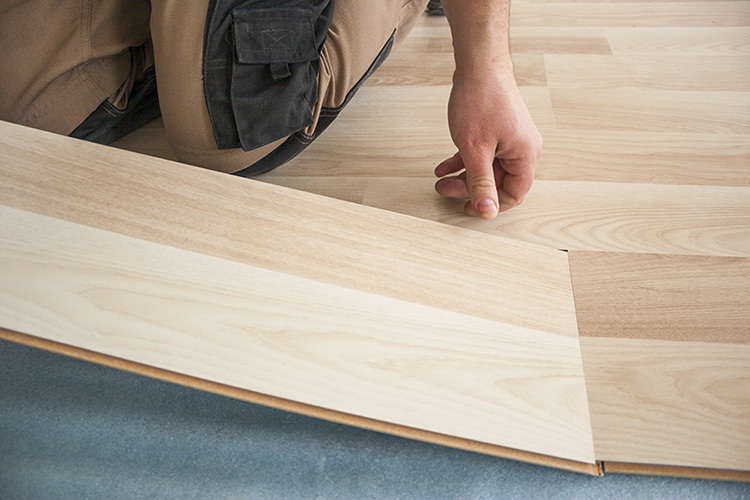
When planning a major hardwood flooring renovation, it is incredibly easy to get caught up in selecting the perfect species, grain pattern, and stain color. However, many homeowners overlook the fact that a hardwood floor is only as stable, quiet, and beautiful as the subfloor underneath it. Skipping or rushing through the subfloor preparation stage is the single most common cause of premature floor failure, squeaking, and separation. True flooring longevity requires a meticulous focus on the foundation before a single decorative plank is ever fastened into place.
The Three Key Metrics: Flat, Clean, and Structurally Sound
Before any hardwood installation begins, the existing subfloor—whether it is constructed of plywood, oriented strand board (OSB), or a poured concrete slab—must be rigorously audited against strict industry metrics.
Flatness: Hardwood planks are rigid and unforgiving. If a subfloor possesses significant dips, valleys, or high spots, the newly installed wood will "bridge" over the low zones. Over time, walking over these hollow spaces causes the tongue-and-groove joints to flex, crack, and create highly annoying squeaks. Installers must sand down high joints and apply specialized leveling compounds to low zones to ensure a flat plane.
Cleanliness: The subfloor must be thoroughly swept, vacuumed, and scraped clear of old carpet glues, drywall overspray, or stray building materials. Any debris left behind can prevent modern flooring adhesives from bonding correctly or create localized pressure points under the wood planks.
Structural Soundness: For wooden subfloors, technicians must inspect the joists for sagging and ensure the plywood sheets are fastened tightly to the framework. Any loose subfloor panels must be screwed down securely to eliminate wood-on-wood friction—the primary culprit behind persistent floor squeaks.
Mitigating the Invisible Threat of Subfloor Moisture
Moisture is the ultimate antagonist in the life of a hardwood floor. Poured concrete slabs and crawlspaces naturally emit water vapor upward into living spaces. If this vapor is allowed to absorb into the bottom of your hardwood planks unhindered, the wood will cup, warp, or split.
Professional subfloor preparation always incorporates testing the moisture content (MC) using specialized digital meters. Once the readings are verified to be within safe margins, high-performance vapor retarders, silicone papers, or liquid epoxy membranes are laid down. These sundry items act as a shield, ensuring that seasonal moisture fluctuations do not compromise your premium hardwood investment.
Partnering with Local Flooring Experts
Since our founding in 2007, our core objective has been to fully service flooring contractors and homeowners from start to finish with the highest quality products and technical advice. To learn more about our deep roots in the Virginia community and our commitment to structural excellence, feel free to visit our about us page.
A perfect hardwood installation requires the right tools, materials, and foundational preparation. Don't leave the longevity of your investment to chance. To speak directly with an expert, view our premium line of subfloor preparation materials, or map out your next upgrade, view our locations page and stop by our nearest regional showroom today.


