

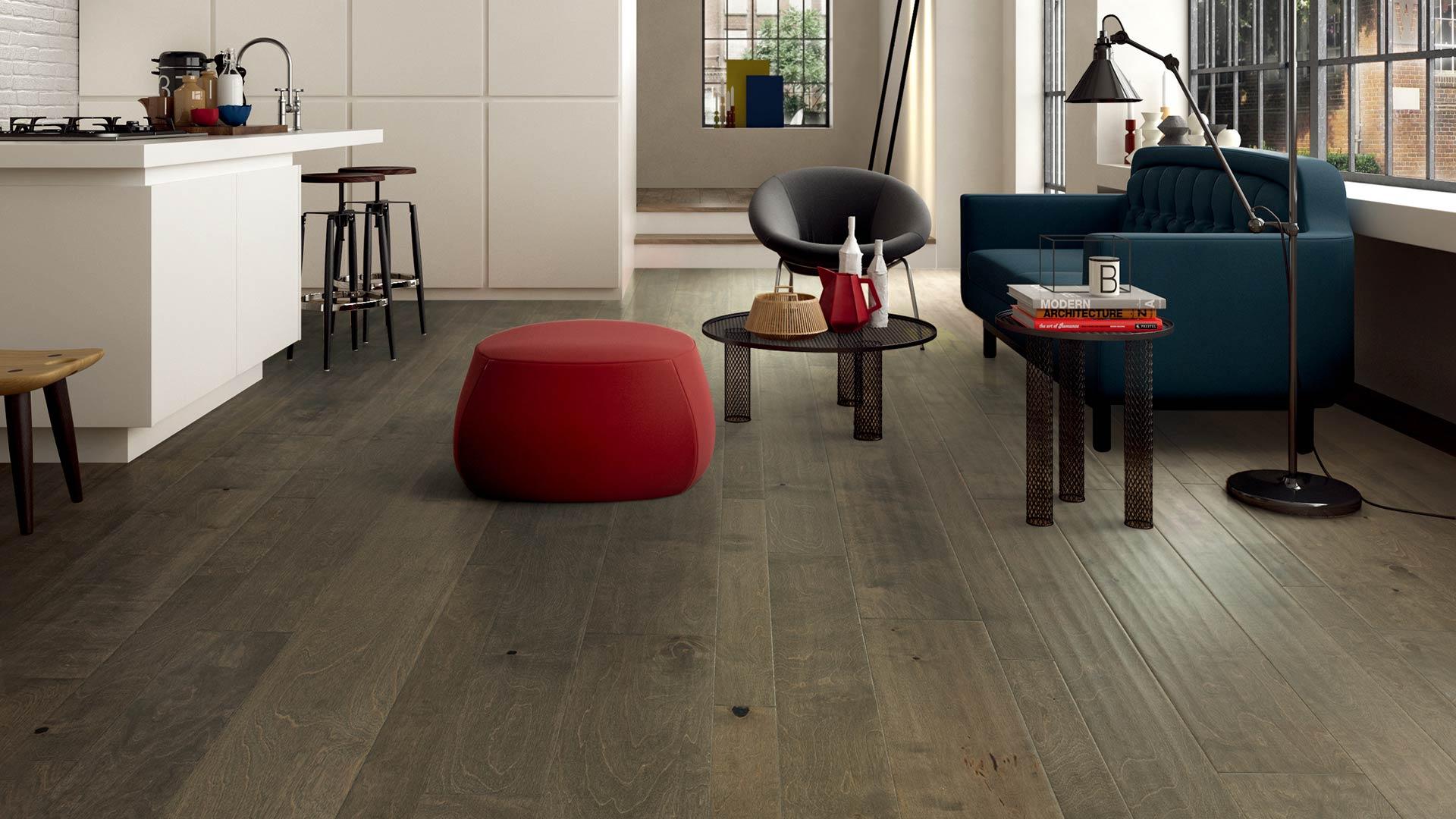
The true beauty of a natural hardwood floor lies just beneath the surface. Over decades of family gatherings, active pets, and moving furniture, even the highest quality timber can begin to show signs of wear, deep scratches, and localized discoloration. Fortunately, solid wood possesses the unique ability to be completely revitalized through professional sanding and refinishing. Achieving a flawless, glass-like finish requires a strategic combination of heavy-duty machinery, meticulous grit progression, and true craftsmanship.
The Progression of Grits: Coarse to Fine
Floor sanding is a multi-step choreography that cannot be rushed. The process begins with heavy drum sanders equipped with coarse-grit sandpaper. This initial pass is designed to cut through old, yellowed coats of polyurethane, erase deep gouges, and flatten any minor cupping or warping across the individual planks.
Once the old surface layer is removed, the technician transitions to medium and then fine grits. Each subsequent pass is engineered to erase the microscopic scratch patterns left behind by the previous, coarser paper. Skipping a step in this grit progression is the most common mistake made in DIY projects; any hidden sanding marks will instantly show up as unsightly swirl lines the moment a dark stain is applied to the raw wood.
Dust Containment and Detail Edging
Historically, sanding a floor meant dealing with clouds of fine wood dust settling over furniture, curtains, and central ventilation systems. Modern professionals use advanced dust containment systems. These high-powered vacuum units hook directly into the sanding equipment, capturing up to 99% of the airborne particles before they can escape into the home environment.
While large drum sanders handle the main expanse of a room, they cannot reach the tight boundaries near baseboards, stairs, or closets. This is where detail edgers and hand-scraping tools come into play. A true professional spends significant time matching the texture and depth of the edges to the center of the room, ensuring absolute visual uniformity. Our history is deeply rooted in supporting these specialized craftsmen with top-tier tools; learn more about our company values on our about us page.
Preparing the Blank Canvas for the Final Shield
Once the final fine sand is complete, the wood is in its purest state—perfectly flat, porous, and ready to accept protection. At this stage, technicians perform a thorough final vacuuming and inspection to ensure no lint or stray fibers remain to ruin the topcoat. The application of high-quality sealers and protective coats will shield this freshly exposed grain from everyday life.
Transforming tired wood into a brilliant masterpiece is an investment that instantly boosts your home's equity. If you are ready to find the professional-grade sanders, abrasive papers, or expert advice needed for your next renovation, check out our locations page to connect with a Southern Hardwood & Floor Supply specialist in your area.


