

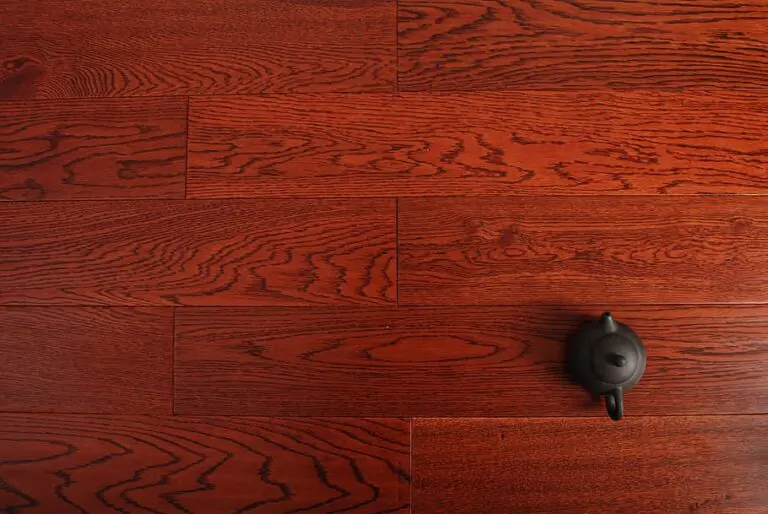
One of the most frequent questions we receive at Southern Hardwood & Floor Supply is: "Should I choose solid or engineered hardwood?" In the specific climate of Virginia—where we experience high humidity in the summer and dry, cold winters—the answer is rarely a simple one. It depends on your home’s construction, your location, and your long-term goals. As a locally owned and operated supplier, we’ve spent nearly two decades helping Richmond and Charlottesville residents weigh the pros and cons of these two distinct flooring categories.
Defining the Difference: Construction and Composition
Solid Hardwood: As the name suggests, each plank is a single, solid piece of wood from top to bottom, usually 3/4" thick. It is the traditional choice that has been used in Virginia homes for centuries.
Engineered Hardwood: This is real wood, but it is constructed in layers. A top "wear layer" of the desired species is bonded to multiple layers of plywood or high-density fiberboard that run in opposing directions (cross-lamination).
The Stability Factor: Battling Virginia’s Humidity
The primary advantage of engineered hardwood is its dimensional stability. Because the layers are glued in a cross-grain pattern, they counteract the wood's natural tendency to expand and contract. This makes engineered wood the superior choice for:
Basements: Where moisture levels are naturally higher.
Slab Foundations: Common in many newer Richmond suburbs, where solid wood cannot be nailed down.
Radiant Heat Systems: The stability of engineered wood allows it to handle the temperature fluctuations of subfloor heating without gapping.
Solid hardwood, while more prone to seasonal movement, remains the favorite for the upper levels of homes and historic renovations. When properly acclimated, solid wood provides a structural rigidity that many homeowners prefer. At Southern Hardwood, we provide a wide variety of sundry items like moisture barriers and specialized adhesives to ensure that regardless of your choice, your floor stays flat and quiet.
Longevity and the "Refinishability" Argument
The biggest "win" for solid hardwood is its lifespan. Because it is solid through and through, it can be sanded and refinished many times over a hundred years. Engineered hardwood's lifespan is determined by its "wear layer." A high-quality engineered floor with a thick wear layer (4mm to 6mm) can be sanded 2 to 3 times, while cheaper versions with thin veneers are essentially "single-use" floors.
At Southern Hardwood & Floor Supply, we only stock engineered products with substantial wear layers, ensuring that our customers get a product that offers both the stability of modern engineering and the longevity of traditional wood. We have built our reputation on being the supplier of choice for floor experts who refuse to compromise on quality.
Cost Analysis and Installation
Initially, high-quality engineered wood and solid wood are often similar in price. However, engineered wood can sometimes be installed faster (via "floating" or gluing), which can reduce labor costs. Solid wood requires a plywood subfloor and a labor-intensive nail-down process.
Choosing between solid and engineered isn't about which is "better"—it's about which is right for your specific "subfloor-to-ceiling" environment.
Whether you are building a new modern home in Charlottesville or restoring a classic in Richmond, we have the inventory and expertise to guide you. Reach out to Southern Hardwood & Floor Supply today to request your professional estimate and let us help you select the perfect foundation for your home.


